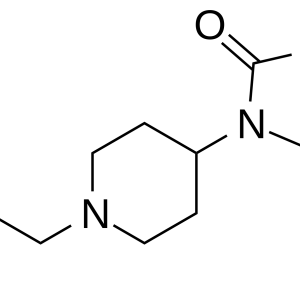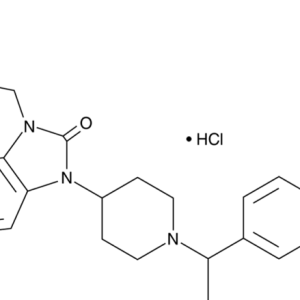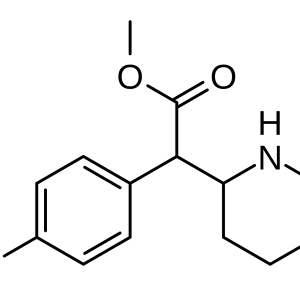

Dimethyltryptamine (DMT) is a tryptamine derivative whose molecule includes two additional methyl groups at the position of the nitrogen atom at the amine group. DMT was first isolated from Mimosa root in 1946 by Brazilian ethnobotanist and chemist Goncalves deLima, who gave this substance the name “Nigerin” (Nigerine). The first chemical synthesis of DMT was carried out by the English chemist Richard Mansky in 1931.
For the first time, the psychotropic properties of DMT were studied in the mid-50s by the Hungarian doctor Stephen Zara. Feeling an interest in psychoactive substances, Dr. Zara ordered the LSD substance from the Sandoz company. Recently discovered at that time, LSD aroused great interest among scientists. However, Sandoz refused to supply because she was afraid that the LSD would fall into the hands of the communist regime, which could have undesirable consequences. Due to the inability to obtain LSD, Dr. Zara turned his attention to the chemically less complex DMT, suggesting its psychoactive properties due to its similarity to serotonin.
DMT is a very powerful psychoactive substance capable of causing intense entheogenic experiences with powerful visual and auditory hallucinations, perception of a different passage of time, and the ability to experience experiences in different realities from the usual ones. People who have experienced a DMT trip often say that these experiences are so different from anything known to a person that they are almost impossible to describe or express in verbal or other form. Some users report extremely intense visual and sensory erotic experiences when using DMT in a ritualized sexual context.
Professor Alan Watts described the DMT effect this way: “Charge the entire universe into the barrel of a cannon. Aim for the brain. Shoot!”
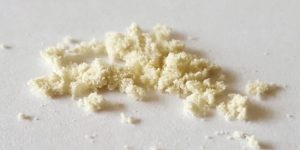
Dimethyltryptamine (DMT)
In research conducted in 1990-1995 by psychiatrist Rick Strassman at the University of New Mexico, it turned out that many of the participating volunteers experienced experiences of extraterrestrial life among beings who were characterized as “elves,” “aliens,” “guides,” and “helpers.” At the same time, in visual terms, some of these creatures resembled clowns, reptiles, mantises, bees, spiders, cacti, gnomes and figures made of sticks. At least one of the study participants reported sexual contact with one of these creatures, while others often reported erotic experiences. In general, all participants in the research reported that these creatures are inhabitants of a parallel, independent reality, which opens the way to DMT.
When DMT evaporates, the smoke it produces often causes unpleasant sensations in the lungs. According to Rick Strassman’s research, “Dimethyltryptamine, depending on the dose, causes an increase in blood pressure, heart rate, pupil diameter, and rectal temperature, in addition to an increase in blood concentrations of beta-endorphins, corticotropin, cortisol, and prolactin. Growth hormone levels also increased with any dose of DMT, but melatonin levels had no effect.”
A number of speculative theories proposed by various researchers suggest that endogenous DMT produced by the human brain in certain psychological and neurological states is used by the body to induce visual effects during natural dreams, experiences of clinical death and preagonal brain states, as well as other mystical experiences. The biochemical mechanism of this phenomenon was proposed by the researcher en:J. C. Callaway’s 1988 paper suggested that DMT may be related to the phenomenon of dreams and other natural brain conditions, where the mechanism is an increase in the level of endogenous DMT in the human brain.
In Rick Strassman’s research in the 1990s, an even bolder assumption was made that the human brain releases a large amount of DMT from the pineal gland at the moment preceding death or during near-death experiences. This explains the intense visual effects reported by people who have experienced clinical death or near-death experiences.
In the 1950s, the theory was popular that the endogenous production of psychoactive agents explains the symptoms of hallucinating patients with certain mental illnesses (the “transmethylation hypothesis”). In particular, they tried to find an explanation for schizophrenia in this way (see also the adrenochromic hypothesis of the pathogenesis of schizophrenia). However, this theory could not explain the presence of endogenous DMT in normal healthy humans, as well as laboratory mice and other animals. In light of this, the assumption about the function of endogenous DMT as an agent that causes visual effects of natural dreams looks more solid.
However, an accurate proof of this assumption is impossible for ethical reasons – biological samples for research must be obtained from a living human brain.
Terence McKenna, the author of a number of books that mention the topic of DMT, described his experience of using it, in which he encountered creatures that he called “Self-Transforming Machine Elves.” McKenna credits DMT as a tool that can be used to communicate with beings from other worlds. Similar reports are also provided by other users who have experienced DMT trips. Meetings with intelligent beings who are trying to find out information about our reality are also often reported.
DMT: The Spirit Molecule is one of the most famous books about DMT written by Rick Strassman, a medical researcher. Strassman suggests that the pineal gland produces DMT in a natural process, since all the necessary components for this process are found there. However, no one has yet attempted to detect DMT in the pineal gland directly.
About The Author